
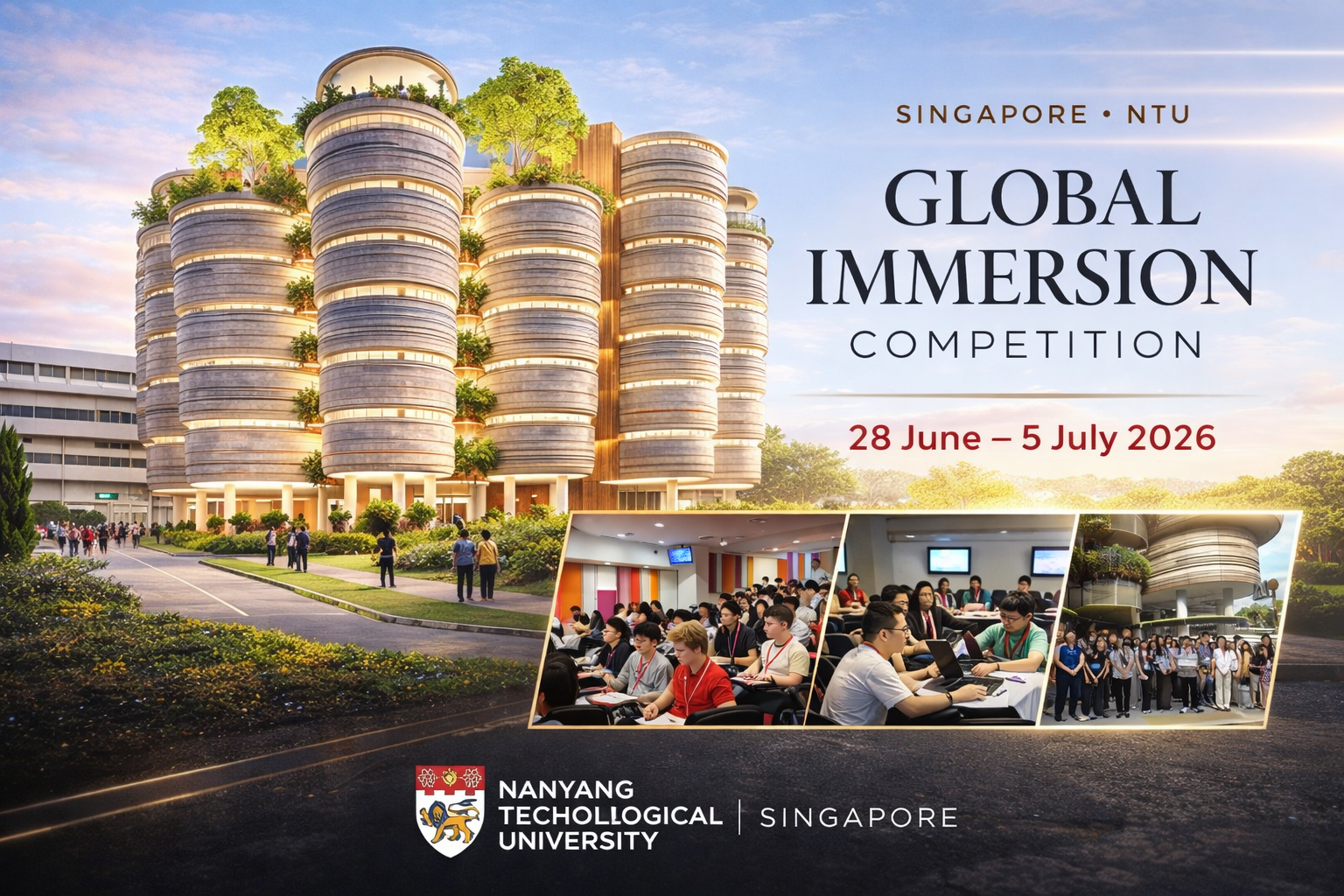
Nanyang Technological University Study Camp
Topic: Robotic Sensing & Control
28 June – 5 July 2026
Course Objectives
This course introduces fundamental topics in robotics and intelligent sensing techniques. The objectives of the course are to provide an understanding of robotics and intelligent sensors. Students will be exposed to a broad range of topics in robotics and intelligent sensors, with emphasis on robot sensors basics, vision sensors, estimation using vision sensors, sensor integration and fusion, and visual servo control.
Course outline
Session 1: Robot sensors basics
This opening session introduces robotics and sensors. It covers the recent advances in robotics,sensor basics such as sensor classification and characterization, and several types of sensors that are commonly used in robotics.
Session 2: Vision sensing
This session focuses on vision sensors that are used widely in robotics. It covers an introduction of cameras and application scenarios, pinhole camera model, structure and pose estimation, essential matrix approach, and homography matrix approach.
Session 3: Sensor fusion
This session introduces sensor integration and Kalman filter first. It also presents a Kalman-filter based method for sensor fusion.
Session 4: Visual servo control
This session introduces the applications of visual servo control or vision-based control in robotics. Position-based visual servo control and image-based visual servo control will be presented in the session.
Session 5: Group Presentation by Participants
Duration
3 hours x 5 sessions= 15 hours
Teaching Methodology
Lectures
About the Trainer
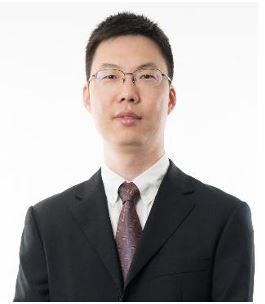
Dr Guoqiang Hu is currently a Professor in the School of Electrical and Electronic Engineering at Nanyang Technological University, Singapore. Before joining NTU Singapore in 2011, he was an Assistant Professor in the Department of Mechanical and Nuclear Engineering at Kansas State University, USA, from 2008 to 2011. He received Ph.D. in Mechanical Engineering from University of Florida in 2007. He was a recipient of several best paper awards such as the Best Paper in Automation Award in the 14th IEEE International Conference on Information and Automation. He currently serves Associate Editor for IEEE Transactions on Control Systems Technology and Associate Editor for IEEE Transactions on Automatic Control. He was an Associate Editor for IEEE Transactions on Automation Science and Engineering and a Technical Editor for IEEE/ASME Transactions on Mechatronics. He also serves as Thrust Lead of the Cobot thrust in the Centre for Advanced Robotics Technology Innovation (CARTIN), Convenor of Working Group of Industrial Robots under Technical Committee on Robotics and Automation appointed by Enterprise Singapore, and Co-Lead of Multi-robot systems of the National Robotics Program (NRP) Tech Advisory Group. His research interests are in AI and robotics. Specifically, he works on optimization and control, distributed optimization and game theory, and data science, with applications to multi-robot systems, human-robot collaboration, and smart city systems.
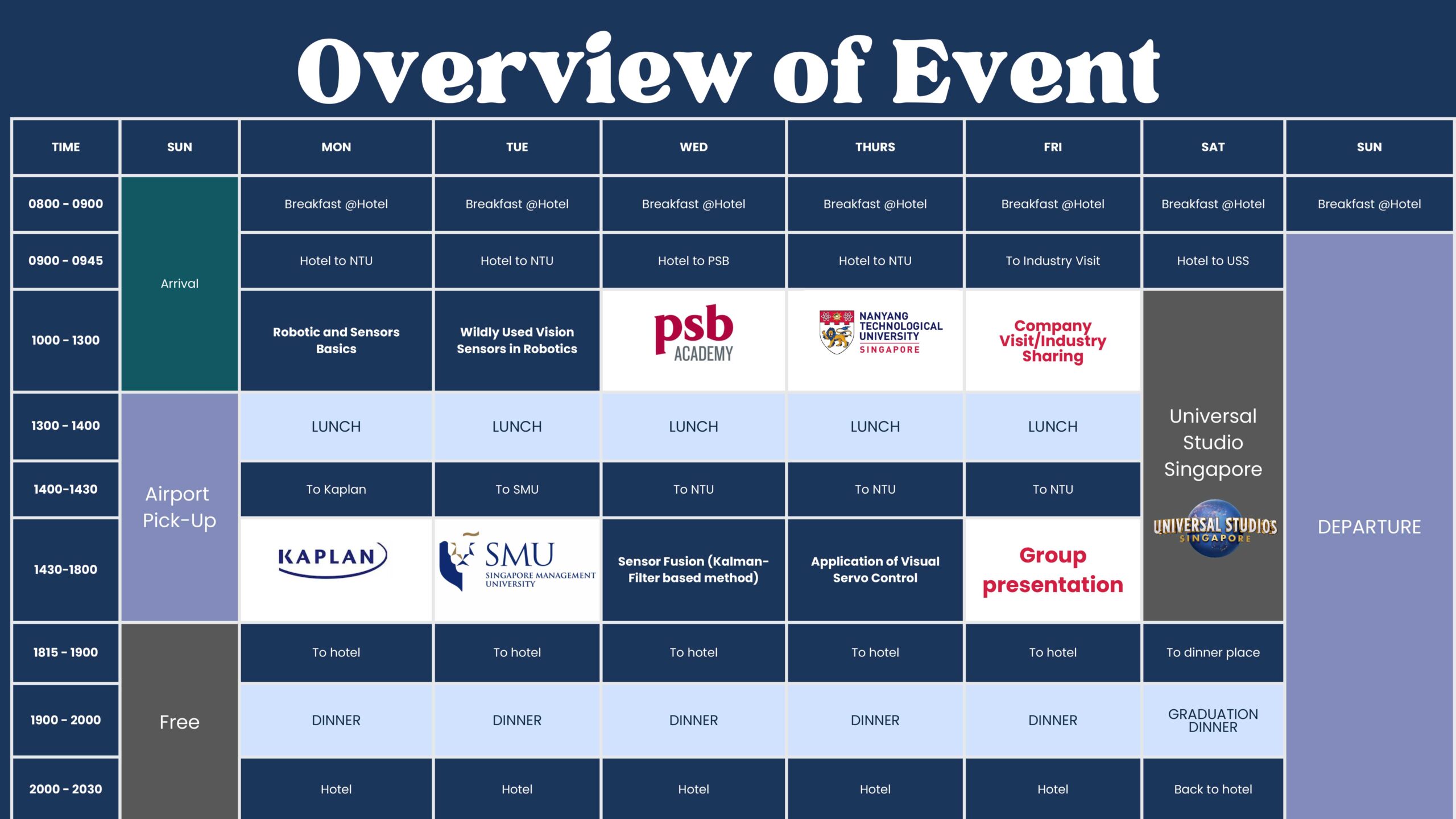
** Activities might be changed without prior notice due to unforeseen circumstances.
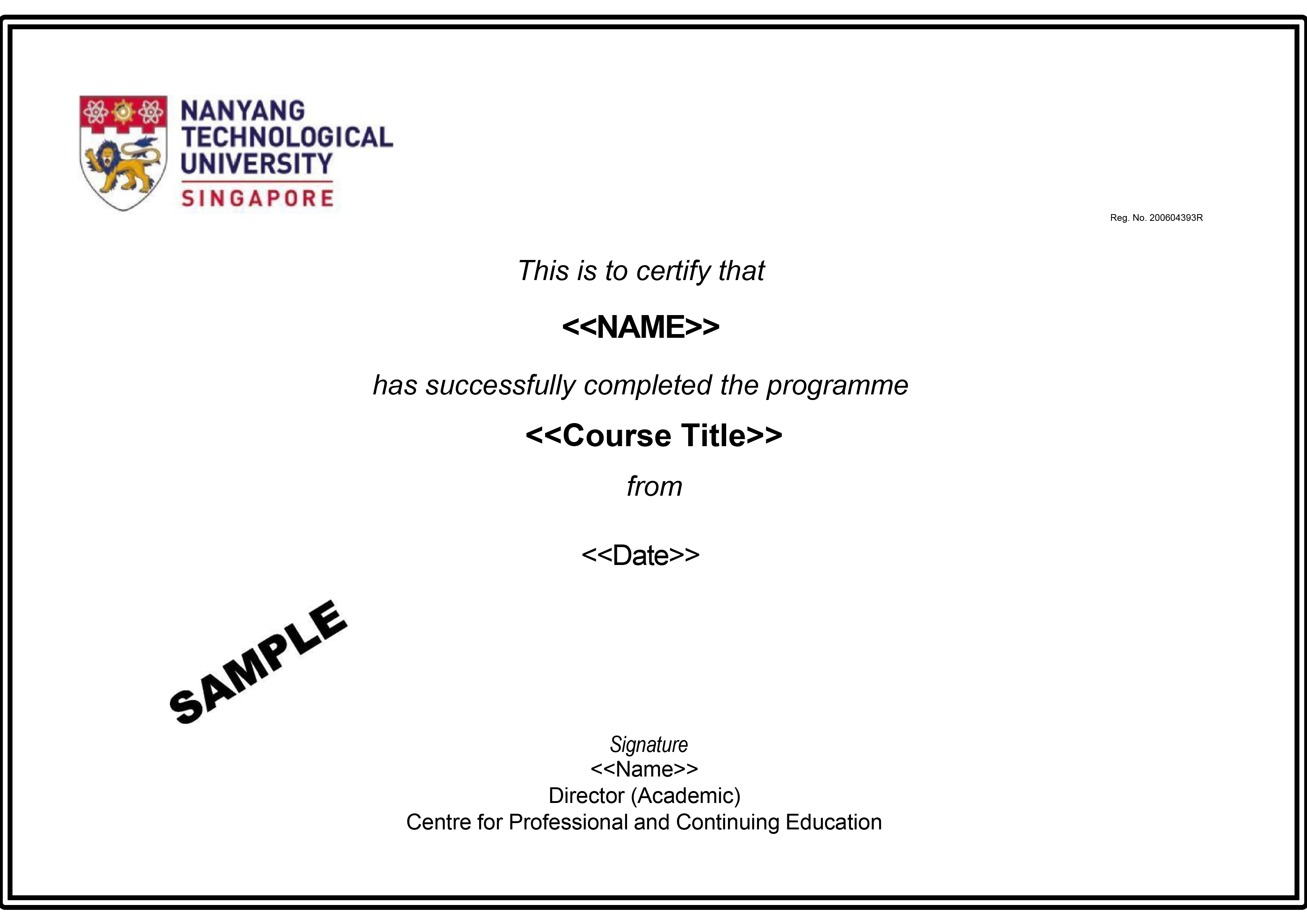
All participants will receive a certificate of participation below
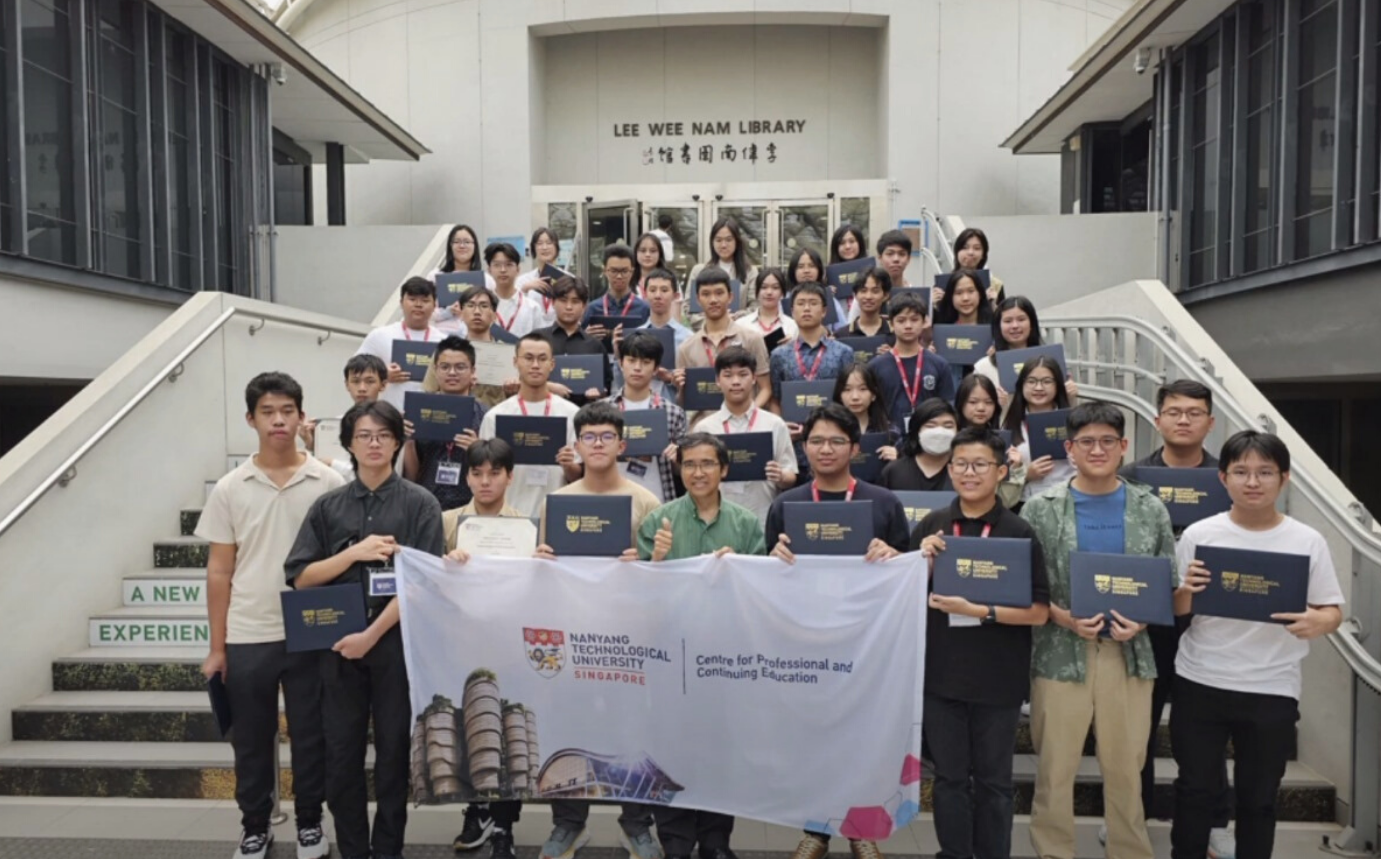
The program fee does not include flights to and from Singapore, travel insurance and other personal expenses.
.
How to apply?
1. Download Application Form and fill in the form complelety
2. Transfer the program fee of THB109,900 to
Learning Curve Training
Bangkok Bank, Ramintra Branch
Bank Account number 187-433082-0
3. Send the completed application along with the transfer slip to info@learningcurve-th.com. Our staff will contact you as soon as we receive the application package.
สอบถามข้อมูลเพิ่มเติมโทร
สาขากรุงเทพฯ โทร : 02-943-8380 และ 086-326-8241 หรือ 065-562-6464
สาขาเชียงใหม่ โทร : 053-336-908
Line ID : @learningcurve หรือคลิกปุ่ม
Line@Learning Curve